Whether you are specifying a single 24 V turbine or a multi-site infrastructure programme, every route starts with the same question: how much energy does the site actually need, and how reliably must it arrive?
Off-grid wind turbines
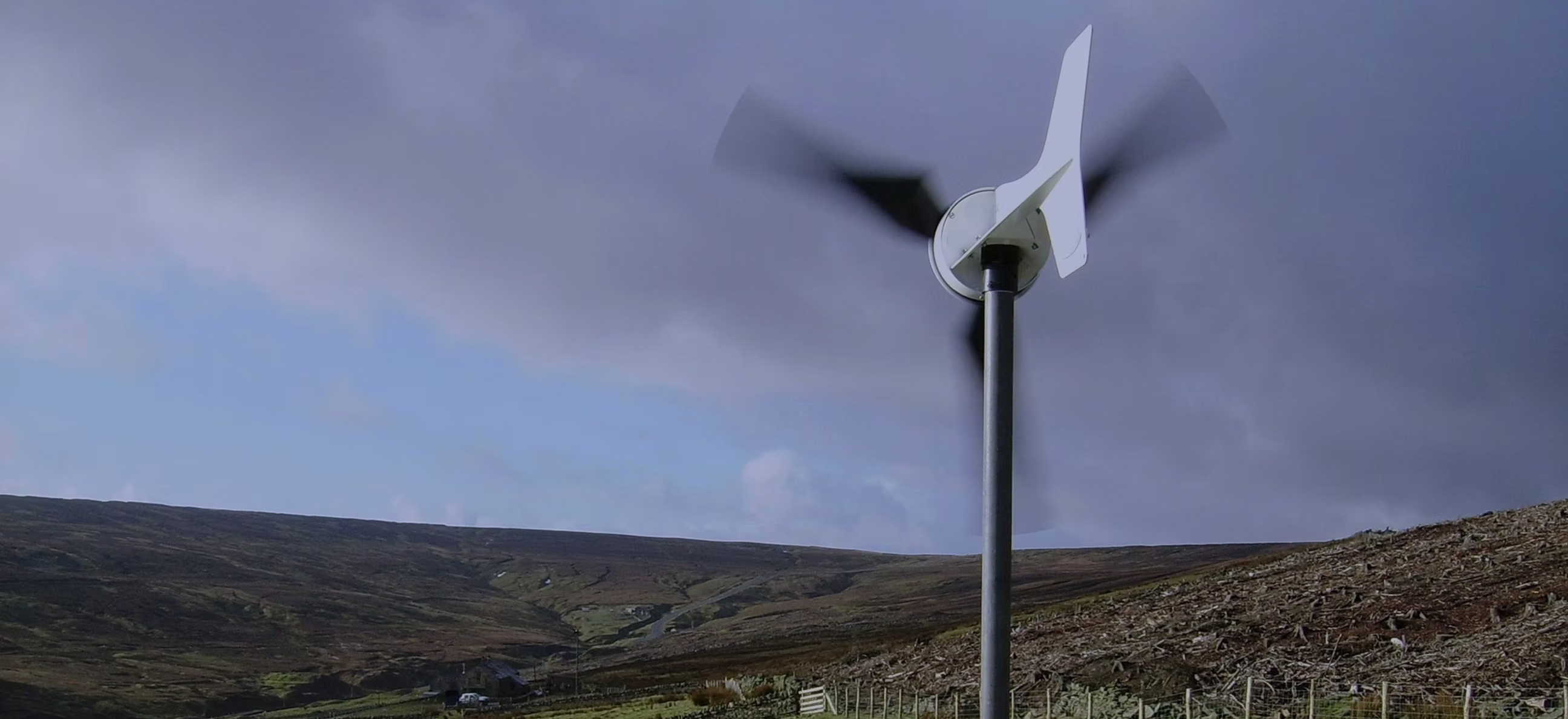
Horizontal and vertical axis turbines built in-house for low cut-in speeds, salt-air exposure and unattended operation.
Leading Edge Power is a British manufacturer of off-grid power systems, based in Pontrilas, Herefordshire and exporting worldwide since 2009. Small wind turbines, solar arrays, charge control, storage and enclosures are developed and assembled by the same team — which means we understand every component, and we can support it long after installation.
That in-house capability is why our systems are specified by organisations that cannot tolerate failure: offshore wind developers, national rail and highways operators, water utilities and telecoms network builders. Our technicians hold Global Wind Organisation (GWO) offshore certification, so the people who designed your system are the people who service it 72 km out to sea.
Because we manufacture every element, we deliver the reliability our customers depend on — through winter, through storms, through years of continuous operation. Dan Goodman, Sales Director
Every bespoke project follows the same proven four-stage process — whether it is one monitoring station or an 83-turbine offshore programme.
STAGE 01
Assess
We break down your load profile hour by hour, then model the wind and solar resource at your exact coordinates using ERA5 reanalysis blended with the Global Wind Atlas.
STAGE 02
Design
Generation, storage and back-up are sized with deliberate headroom for the worst month of the year — not the annual average — and cross-checked against the site's access constraints.
STAGE 03
Build & install
Turbines, control panels, mounting frames and IP-rated enclosures are manufactured and pre-commissioned in Herefordshire, then delivered and installed on site.
STAGE 04
Monitor
Remote monitoring gives live visibility of state of charge, generation, load and fuel level — with alerts long before a site is at risk of going dark.
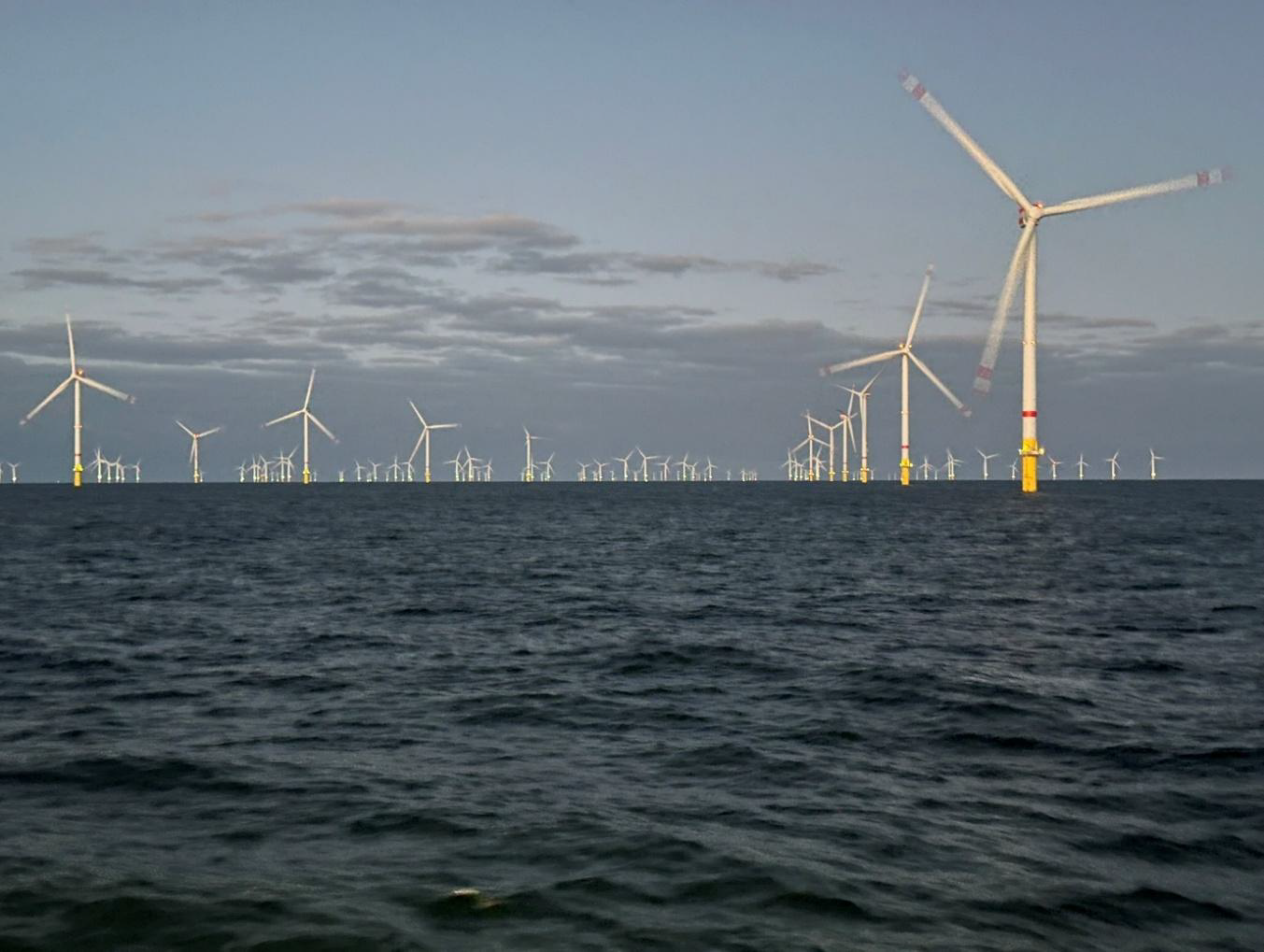
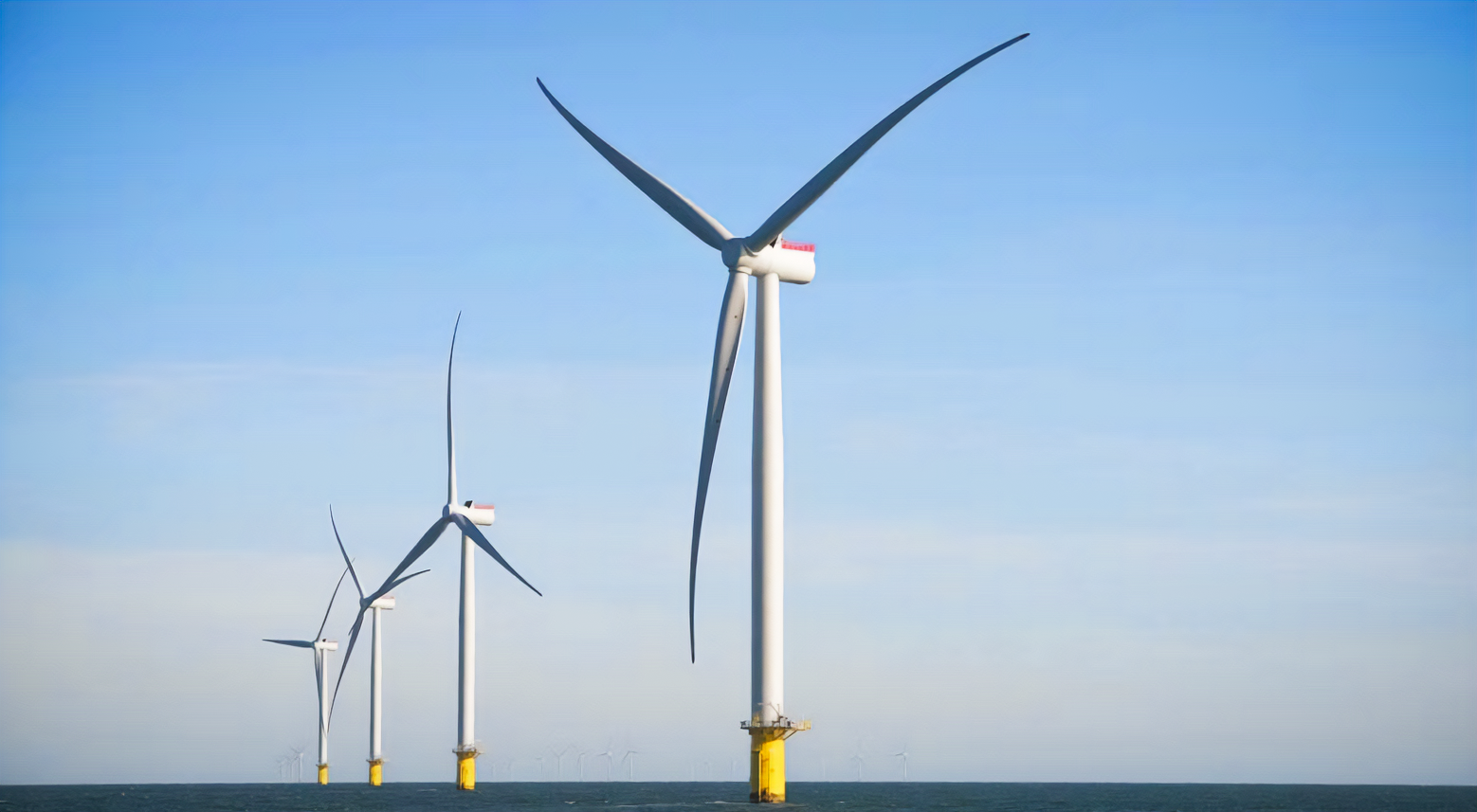
Two hybrid systems — three LE-v150 Storm turbines, 1.64 kWp solar, 1,600 Ah AGM storage and an EFOY methanol fuel cell — hold a 125 W continuous safety-critical radio and Starlink load, 72 km offshore.
Result: continuous uptime across two wind-farm construction programmes
RWE Renewables · IoT & telemetry
Green power for LiDAR wind measurement
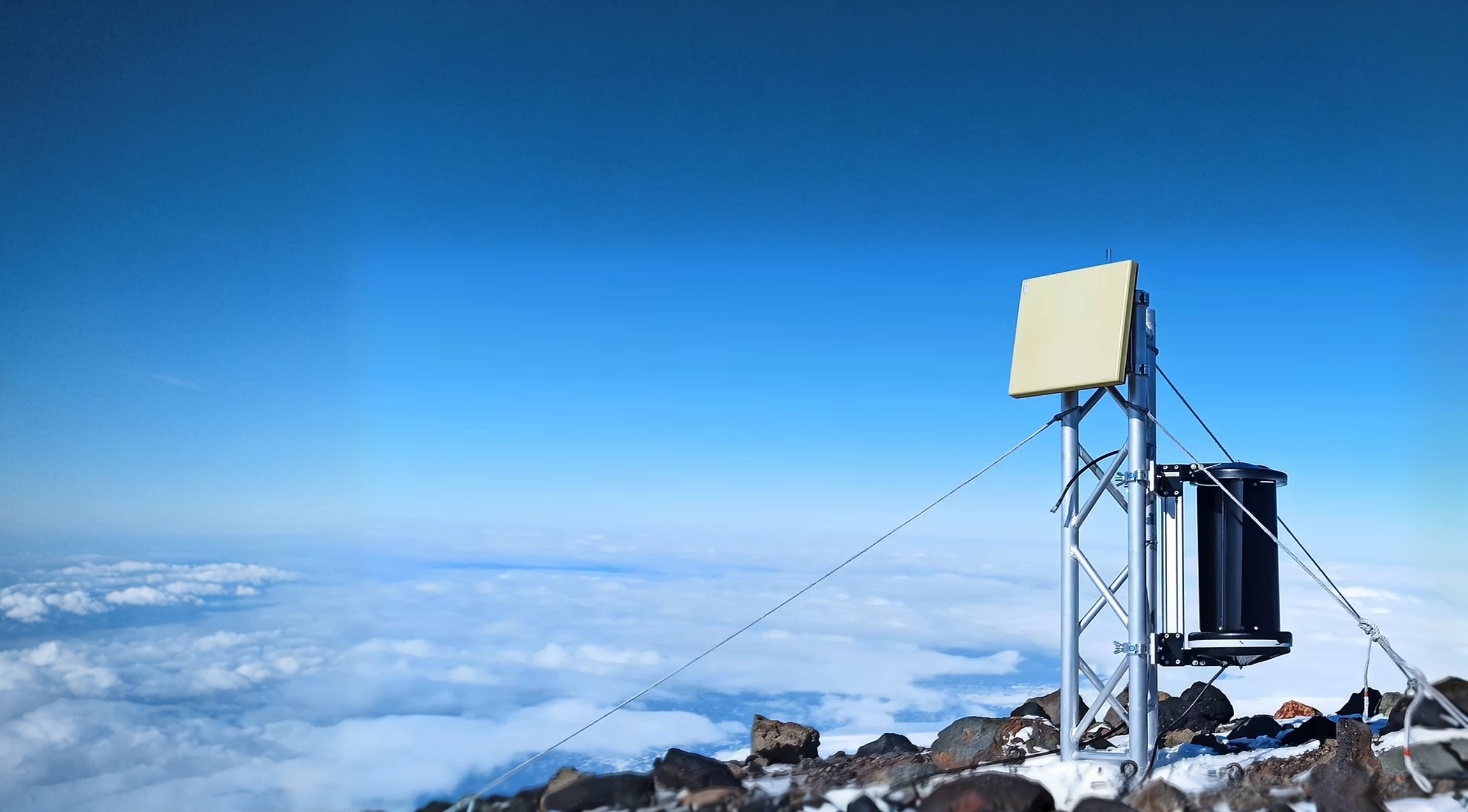
A portable wind-plus-solar system replaced fuel-cell-only power for a remote LiDAR mast in western Scotland, with ultrasonic fuel-level sensing and Victron Cerbo GX monitoring cutting refuelling visits dramatically.
Result: fewer site visits, uninterrupted wind data capture
Leading Edge HQ · Broadband & connectivity
Satellite broadband on renewable power
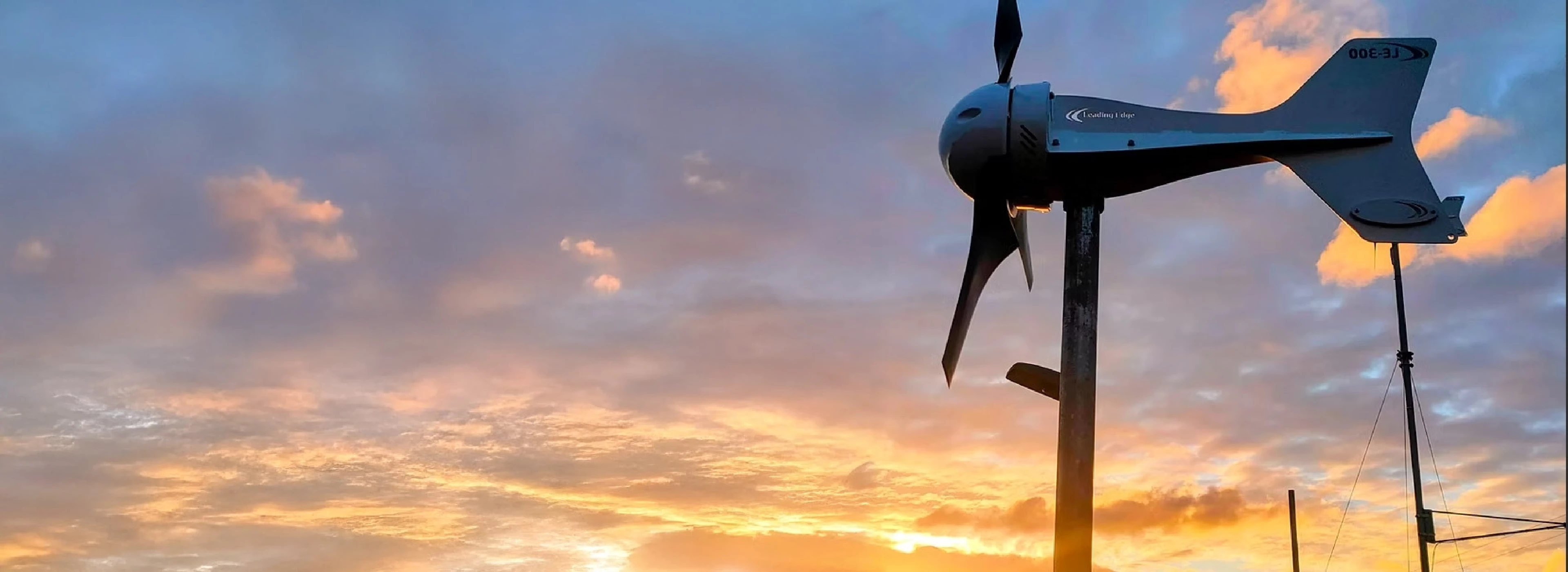
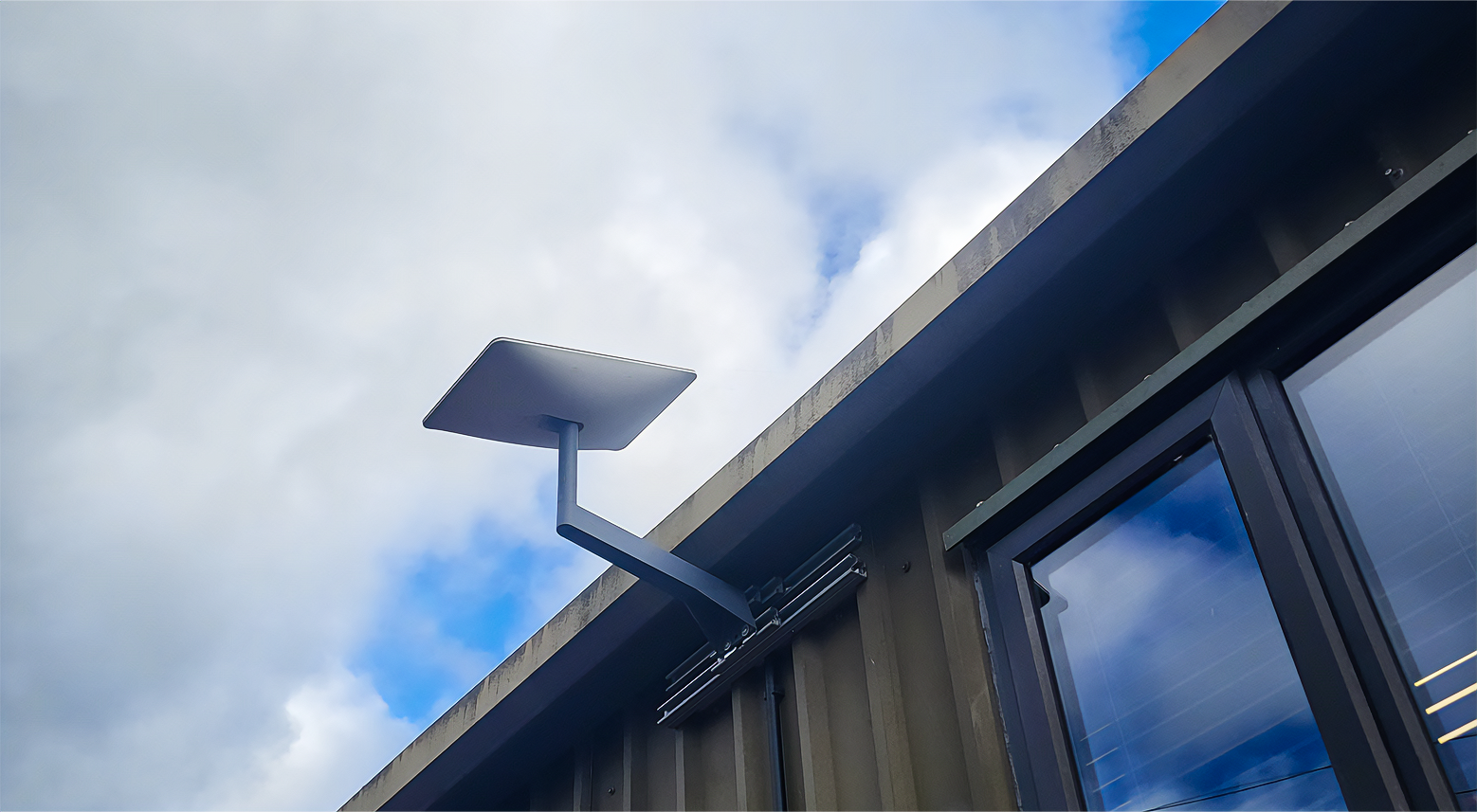
An OG Base unit — three high-efficiency solar panels plus an LE-300 turbine and AGM battery bank giving five days of autonomy — runs a 50–75 W satellite terminal serving 40+ devices with no grid connection.
Result: high-speed connectivity in a rural not-spot
Trusted in the field
Specified by industry leaders & partners.
Our systems are procured by infrastructure owners and tier-one contractors whose assets must stay online in places the grid does not reach.
Markets we power
Offshore wind, rail, highways, water and environmental monitoring, telecoms, broadband, IoT, defence and research stations.
Our standard hybrid systems are sized for continuous loads between 5 W and 500 W, with 3–7 days of battery autonomy. As a real-world reference: three LE-v150 turbines, 1.64 kWp of solar and 8 × 200 Ah AGM batteries hold a 125 W continuous load, 24 hours a day, year-round, in the German North Sea.
Yes. The LE-v150 Storm is engineered for sustained wind speeds above 27 m/s (60 mph) and salt-laden air, with marine-grade fasteners, coatings and bearings. Mounting frames and containment are engineered per project and serviced offshore by our own GWO-certified technicians.
We size for the worst month, not the annual average. Where wind and solar alone cannot meet a site's profile, we add deep-cycle AGM storage and — if the load is safety-critical — an automatic methanol fuel cell with remote fuel-level telemetry, so refuelling is planned rather than reactive.
Every bespoke system can include our remote monitoring package. You see state of charge, generation, load and fuel level live from anywhere in the world, with threshold alerts. It is the same data our support team uses when diagnosing a site, which shortens resolution time significantly.
All turbines, control systems and enclosures are designed, assembled and tested at our workshop in Pontrilas, Herefordshire, United Kingdom, to ISO-aligned quality procedures. We have exported since 2009 and have equipment operating on all seven continents, including polar research and remote island sites.
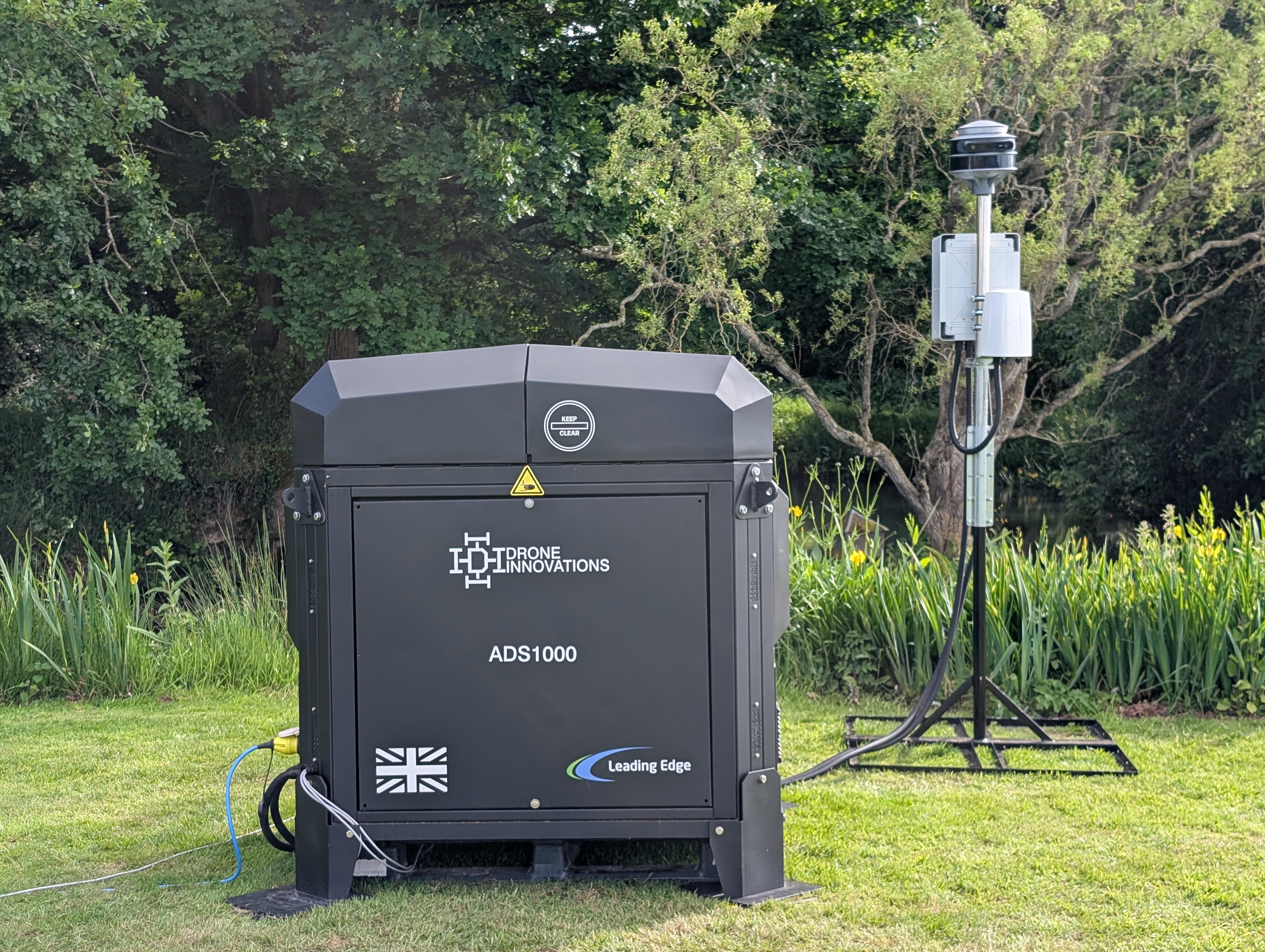
Two intensive days demonstrating an automated drone docking platform to potential clients — and a clear signal of where off-grid demand is heading. Autonomous inspection assets need dependable charging in exactly the locations where no grid exists: coastal defences, transmission corridors, solar farms and pipelines.
The engineering challenge is duty cycle, not average consumption: a docking station draws very little while idle, then demands a sharp burst to recharge a returning airframe. That combination rewards generous storage, intelligent charge control and honest resource modelling — the same discipline we apply to offshore radio and LiDAR power.
Whether you need a single turbine or a complete bespoke off-grid system, send us the site coordinates and the load — our engineers will tell you honestly what is achievable.