Designed & manufactured in Herefordshire, UK — shipping worldwide Mon–Thu 9–5  |  Fri 9–4  |  +44 (0)1981 241668

Blog

Top Deep Cycle AGM Battery Storage Solutions?

Top Deep Cycle AGM Battery Storage Solutions?

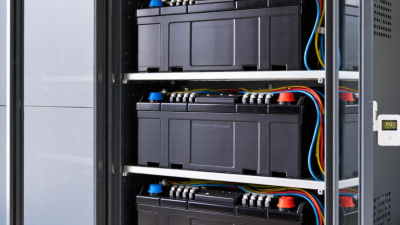
Choosing the best Deep-cycle AGM battery storage solution requires more than comparing prices and advertised capacity. A battery may look powerful on paper yet perform poorly in a hot garage, damp shed, or poorly ventilated cabinet. Reliable storage protects the battery, connected equipment, and people nearby. Small details matter. This guide examines practical storage options for boats, solar systems, backup power, and remote equipment. It considers cabinet design, temperature control, ventilation, terminal protection, charging access, and safe cable routing. It also explains how manufacturer specifications, warranty terms, and recognized safety guidance should influence a purchase. A sturdy enclosure should prevent accidental contact while allowing inspection of terminals and cables. Labels should remain visible. Real-world experience shows that battery storage problems often begin with neglect. Dust gathers around terminals. Loose connections create heat. An unnoticed charger fault can shorten battery life. Regular inspection helps reveal these issues before failure occurs. Still, no setup is perfect. A premium cabinet cannot compensate for incorrect charging or poor installation. That assumption needs testing. The strongest solution balances protection, accessibility, capacity, and cost. It should suit the battery’s weight and dimensions, not merely fit the available corner. Humidity and seasonal temperature changes also deserve attention. For critical systems, professional installation and documented maintenance provide additional confidence. This comparison aims to separate useful features from attractive but unnecessary extras. Readers can then select storage that supports dependable performance, safer handling, and longer service life.
Read more »
Ethan By:Ethan - October 13, 2026
How to Choose Monocrystalline Solar Panels?

How to Choose Monocrystalline Solar Panels?

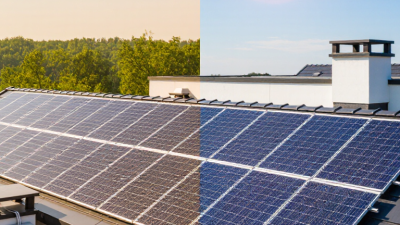
Choosing Monocrystalline solar panels is not simply a matter of selecting the highest efficiency number. A suitable panel must match your roof, climate, electricity needs, budget, and installation conditions. A 23% efficient panel may look impressive, but it may perform poorly if trees shade the roof each afternoon. Size matters too. A narrow roof may benefit from high-efficiency modules, while a large, unobstructed roof may offer more flexible options. Professor Martin Green, a leading photovoltaic researcher, has emphasized a practical truth: “Efficiency matters, but cost matters more.” This principle remains useful when comparing Monocrystalline solar panels. Buyers should examine temperature coefficients, power tolerance, degradation rates, warranties, and independent performance testing. A panel in a hot climate can lose output under intense sunlight. A strong product warranty also means little if the manufacturer has weak local support. Small details can change the decision. Check the roof’s usable area. Notice nearby chimneys, vents, and afternoon shadows. Ask whether the installer will measure actual roof temperatures. Do not rely on a glossy brochure alone. It is easy to overvalue peak wattage. I sometimes do that myself when comparing unfamiliar models. Yet real performance depends on the complete system, including the inverter, wiring, mounting structure, and installation quality. No buying guide is perfect. Product data can change, and local conditions vary. The safest choice combines verified specifications, professional site assessment, and realistic energy expectations. This guide explains how to compare Monocrystalline solar panels with clearer judgment and fewer expensive surprises.
Read more »
Oliver By:Oliver - October 8, 2026
Top Mobile Solar Power Trailers for Global Buyers

Top Mobile Solar Power Trailers for Global Buyers

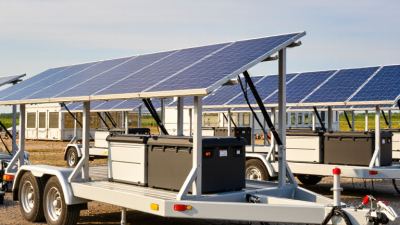
Mobile solar power trailers are changing how businesses access temporary, clean electricity. They combine photovoltaic panels, battery storage, inverters, and a towable frame. This design supports construction sites, emergency services, outdoor events, farms, and remote facilities. Yet performance depends on more than panel size. Battery chemistry, charging speed, weather resistance, transport weight, and service access all deserve careful attention. For global buyers, this guide examines leading trailer types through practical purchasing criteria. It considers usable output, solar generation, battery capacity, noise levels, deployment time, and maintenance needs. A trailer may look powerful in a brochure but struggle under clouds, dust, or heavy daily loads. Field experience matters here. Operators often value clear controls, stable ground supports, protected cables, and replacement parts as much as peak wattage. Small details can prevent expensive downtime. No trailer fits every market. Regional transport rules, electrical standards, climate conditions, and local technical support may change the best choice. Buyers should verify certifications, warranty terms, battery safety documentation, and compatibility with their existing equipment. Independent testing is preferable, although test results may not represent every working environment. That limitation deserves honesty. A compact unit may suit a mobile clinic, while a larger system may better support tools and refrigeration. This overview helps readers compare options with confidence, while recognizing that solar output remains variable. Careful sizing, realistic load calculations, and supplier communication can turn a promising trailer into a dependable power asset.
Read more »
Oliver By:Oliver - October 3, 2026
Top 10 Portable Off Grid Power Units for Global Buyers

Top 10 Portable Off Grid Power Units for Global Buyers

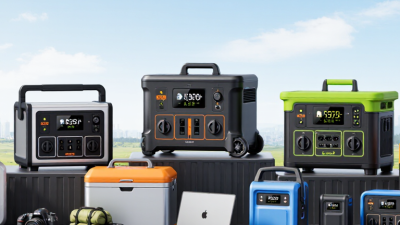
Portable off-grid power units are becoming practical tools for camping, fieldwork, emergency preparedness, and remote operations. Yet choosing one is not simply a matter of buying the largest battery. A refrigerator, camera kit, or laptop draws power differently, while cold weather and conversion losses can reduce usable capacity. Small details matter. Buyers should compare battery capacity in watt-hours, continuous and surge output, charging options, weight, and warranty terms. The need for dependable electricity is broad. The International Energy Agency’s Electricity 2024 report projected global electricity demand growth of about 4% in 2024. The World Bank and partner agencies reported that 685 million people lacked electricity access in 2022 in Tracking SDG 7: The Energy Progress Report 2024. These figures describe wider energy challenges, not sales of portable units, and that distinction matters. As energy-efficiency expert Amory Lovins has said, “The cheapest energy is the energy you don't use.” For buyers, that is a useful reminder to estimate real daily loads before comparing models. This guide to the Top 10 Portable Off Grid Power Units for Global Buyers will examine capacity, output, portability, charging flexibility, and value. No single unit suits every region or use case. We also recognize a limitation: published specifications cannot fully predict performance in every climate or under every workload. Check local support and compatible charging equipment before purchasing.
Read more »
Ethan By:Ethan - September 28, 2026
What Is a Horizontal Axis Wind Turbine?

What Is a Horizontal Axis Wind Turbine?

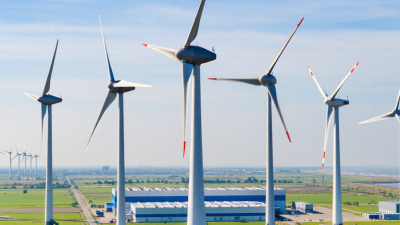
A horizontal axis wind turbine turns moving air into electricity through a rotor, gearbox or direct-drive generator, and control system. Its blades rotate around an axis parallel to the wind. This familiar design dominates modern wind farms, from offshore arrays with towering steel foundations to compact turbines on agricultural land. Horizontal axis wind turbines are not simply giant fans. Their performance depends on aerodynamics, turbulence, blade materials, grid connection, maintenance, and local wildlife conditions. The Global Wind Energy Council reported that the world added 117 gigawatts of new wind capacity in 2023, bringing total installed capacity above 1,000 gigawatts. The International Energy Agency also identifies wind power as a central technology for reducing electricity-sector emissions. These figures show strong momentum, but they do not erase practical limits. Wind speeds change by the minute. Salt spray attacks offshore components. A poorly chosen site can undermine an otherwise excellent machine. The engineering principle has a clear boundary. German physicist Albert Betz stated, “The maximum possible fraction of the kinetic energy of the wind that can be captured by an ideal turbine is 16/27.” That limit, known as the Betz limit, explains why no turbine can capture all available wind energy. Real machines perform below it because of blade drag, wake losses, mechanical friction, and electrical conversion losses. The U.S. Department of Energy notes that horizontal-axis designs remain the predominant commercial configuration. Still, “predominant” does not mean perfect. Understanding how these turbines work requires examining their structure, operating choices, benefits, and unresolved trade-offs.
Read more »
Ethan By:Ethan - September 21, 2026
China Top 10 Vertical Axis Wind Turbine Suppliers

China Top 10 Vertical Axis Wind Turbine Suppliers

China’s vertical wind power industry is attracting attention from developers, engineers, and property owners. Vertical axis wind turbines can capture changing wind directions without a yaw mechanism. They may suit urban roofs, farms, coastal facilities, and remote monitoring stations. This guide examines China’s top 10 vertical axis wind turbine suppliers through practical and technical criteria. The review considers turbine design, rated output, starting wind speed, noise control, corrosion resistance, and maintenance access. It also considers factory experience, testing records, project references, warranty terms, and after-sales support. These details matter when a turbine stands beside a warehouse or operates on an exposed island. Supplier claims still require careful verification. A brochure may show impressive output under ideal wind conditions. Real production can fall when turbulence surrounds buildings. Small turbines may also produce less energy than expected. That is an important limitation. The selected companies represent different approaches, including helical, Savonius, and hybrid rotor designs. Some focus on compact systems, while others develop larger units for commercial or distributed energy projects. Buyers should request wind-resource assessments, power curves, installation drawings, and independent test evidence before signing a contract. Local grid requirements and structural loading also deserve attention. The ranking is not permanent. Product lines, certifications, prices, and service capabilities can change. Public information is sometimes incomplete, so readers should contact suppliers directly and inspect recent project evidence. Used carefully, this overview can help decision-makers compare credible manufacturers and avoid choosing equipment based only on attractive specifications.
Read more »
Ethan By:Ethan - September 21, 2026
China Best Off Grid Wind Power Systems Supplier?

China Best Off Grid Wind Power Systems Supplier?

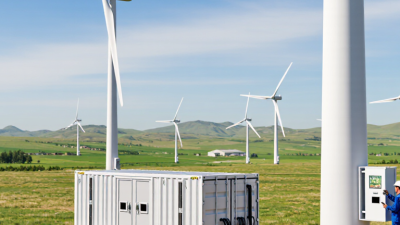
Choosing the China Best Off Grid Wind Power Systems Supplier requires more than comparing prices and catalog images. A reliable supplier should understand wind conditions, energy demand, battery storage, and installation limits. In coastal villages, remote farms, and mountain stations, small design errors can cause serious power shortages. The right system must match the site. This guide examines Off-grid wind power systems from a practical and technical perspective. It considers turbine output, controller quality, battery chemistry, tower strength, maintenance access, and protection against storms. Real performance depends on average wind speed, not the supplier’s highest advertised rating. That detail is often missed. Field experience matters. A professional manufacturer should provide clear specifications, load calculations, test records, and installation guidance. Independent certifications and documented quality controls can strengthen confidence. However, certificates alone do not prove long-term reliability. Buyers should ask for project references, warranty terms, replacement-part policies, and technical support response times. A useful supplier will discuss weaknesses openly. For example, wind power may produce less energy during calm periods, even when the turbine looks substantial. Hybrid designs with solar panels or backup generation may offer better stability. This is not a failure of wind technology. It is a design reality. The best choice depends on the application, budget, climate, and service expectations. Factory visits, sample inspections, and verified performance data can reduce risk. Still, no supplier can promise identical results at every site. Careful evaluation remains essential.
Read more »
Oliver By:Oliver - September 21, 2026