Designed & manufactured in Herefordshire, UK — shipping worldwide Mon–Thu 9–5  |  Fri 9–4  |  +44 (0)1981 241668

0%

Portable off-grid power units are becoming practical tools for camping, fieldwork, emergency preparedness, and remote operations. Yet choosing one is not simply a matter of buying the largest battery. A refrigerator, camera kit, or laptop draws power differently, while cold weather and conversion losses can reduce usable capacity. Small details matter. Buyers should compare battery capacity in watt-hours, continuous and surge output, charging options, weight, and warranty terms.

The need for dependable electricity is broad. The International Energy Agency’s Electricity 2024 report projected global electricity demand growth of about 4% in 2024. The World Bank and partner agencies reported that 685 million people lacked electricity access in 2022 in Tracking SDG 7: The Energy Progress Report 2024. These figures describe wider energy challenges, not sales of portable units, and that distinction matters. As energy-efficiency expert Amory Lovins has said, “The cheapest energy is the energy you don't use.” For buyers, that is a useful reminder to estimate real daily loads before comparing models. This guide to the Top 10 Portable Off Grid Power Units for Global Buyers will examine capacity, output, portability, charging flexibility, and value. No single unit suits every region or use case. We also recognize a limitation: published specifications cannot fully predict performance in every climate or under every workload. Check local support and compatible charging equipment before purchasing.
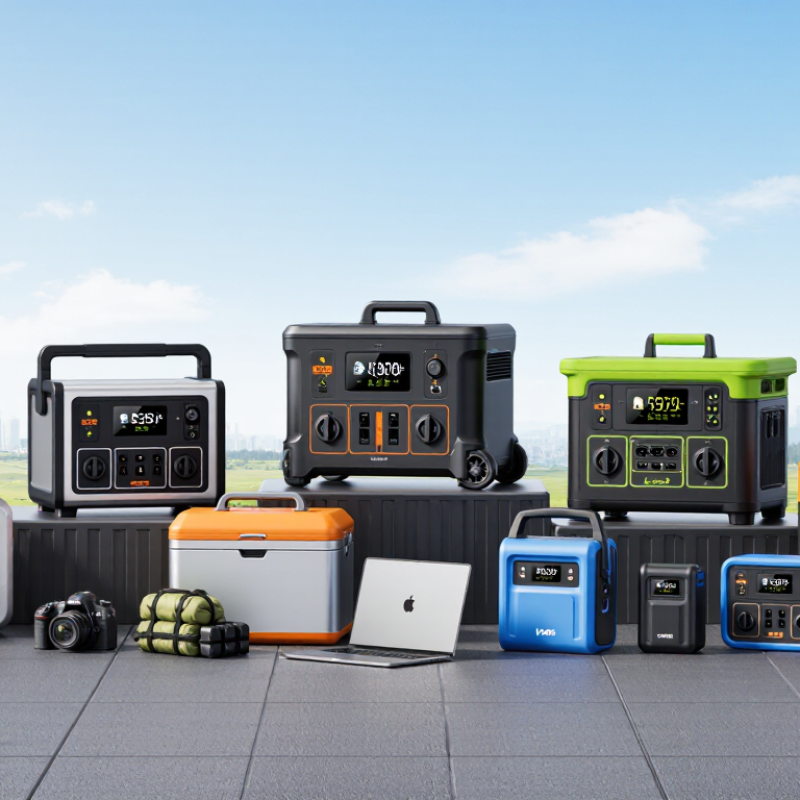
Top 10 Portable Off Grid Power Units for Global Buyers

Understanding Portable Off-Grid Power Units and Their Core Functions

A portable off-grid power unit stores electricity for use where wall outlets are unavailable. Its battery holds energy, while an inverter converts stored direct current into alternating current for common appliances. Smaller direct-current ports can charge phones, lamps, and other low-power devices. A charge controller manages input from solar panels, and a battery management system monitors temperature, voltage, and charging limits. The basics matter. Capacity, measured in watt-hours, estimates how long a unit can supply energy; output, measured in watts, determines which devices it can run at once. A kettle may exceed a small unit’s output even when its battery seems large.

NREL’s 2024 Annual Technology Baseline assumes 85% round-trip efficiency for utility-scale lithium-ion storage. That is a useful reference, not a performance guarantee for portable equipment: inverter losses, temperature, and product design all affect usable energy. Buyers should check continuous output, surge rating, recharge time, and the stated capacity test conditions. For example, a 500 Wh unit will not necessarily deliver 500 Wh to an appliance. Solar input can extend operation, but cloud cover and panel placement change charging speed. In field use, cables get misplaced, and advertised runtimes can feel optimistic. A small load test before travel is often more revealing than a specification sheet.

Top 10 Portable Off-Grid Power Units: Typical Runtime by Load

Estimated runtime from a 1,000 Wh portable power unit at 85% usable energy

Estimates use 850 Wh of usable energy divided by each device’s typical power draw. Actual runtime varies with device use, conversion losses, battery condition, temperature, and the power unit’s output limits. High-wattage appliances require an inverter rated to support their load.

Key Specifications for Comparing Power Capacity, Output, and Portability

Portable off-grid units are easiest to compare by usable watt-hours, continuous AC watts, surge watts, and weight—not headline capacity alone. A 1,000 Wh battery will not deliver 1,000 Wh through an inverter; conversion losses and temperature can reduce runtime. A 60 W cooler running for 10 hours needs about 600 Wh, plus a reserve. Numbers matter. Check whether capacity is nominal or usable, and whether output ratings are continuous or peak.

Output must also match appliance start-up demands. A compact fridge may use little power while running but briefly draw much more when its compressor starts. Check surge rating and duration, outlet types, USB-C output, and recharge input. NREL’s 2024 Annual Technology Baseline uses approximately 85% round-trip efficiency for utility-scale lithium-ion storage. Treat this as a system-level reference, not a guaranteed result for a portable unit. Compare tested usable energy where available.

Portability involves trade-offs. A 1.5 kWh unit weighing 15 kg may work well in a vehicle, yet feel awkward on stairs. Check handle placement, dimensions, charging time, and solar-input limits alongside capacity. The IEA’s 2024 Batteries and Secure Energy Transitions report says battery-pack prices fell 14% in 2023; pack prices do not determine a power station’s retail value, but they make specification comparisons worthwhile. Check both. I would still verify cold-weather performance, since published figures can look a little too neat.

Top 10 Portable Off-Grid Power Units for Different Buyer Needs

The right portable off-grid power unit depends on what you need to run, for how long, and how far you must carry it. A compact, light unit suits weekend campers charging phones and lanterns. Van travelers may prefer more capacity and several output ports. Remote workers should check continuous output against their laptop, monitor, and router needs. Photographers often value stable power and quiet operation in the field. Weight matters.

Cabin users may want expandable capacity, while families preparing for outages need enough energy for lights, communications, and small appliances. Field crews benefit from sturdy cases and clearly stated temperature limits. Solar-focused buyers should compare input limits and recharge times, not just panel compatibility. Frequent travelers may prioritize a lighter unit; budget-conscious buyers can choose less capacity if their load is modest. Ten needs, ten trade-offs.

Before buying, add up device wattages and estimate hours of use. Compare that estimate with usable battery capacity, since conversion losses reduce what reaches your devices. Check both continuous and surge output for equipment with motors. Specs help, but real use varies with temperature, age, and charging conditions. I have seen “enough capacity” look convincing on paper, then feel tight after a cloudy day. A small buffer helps.

Global Compatibility: Charging Options, Outlets, and Regional Standards

Global compatibility is not just a plug-adapter problem. A unit made for a 120-volt, 60-hertz market may not safely power appliances designed for 230 volts, 50 hertz. Check the inverter’s rated voltage, frequency, waveform, and outlet type before packing it. Adapters change plug shape, not voltage. Small detail, big consequence. For charging, compare AC input, vehicle DC input, solar input range, and USB-C Power Delivery output. The USB Implementers Forum’s 2021 USB PD 3.1 specification supports power levels up to 240 watts, but a power unit may accept or deliver much less.

Regional access needs vary. The IEA and partner agencies estimated that 685 million people lacked electricity in 2022, in Tracking SDG 7: The Energy Progress Report 2024. For travel or remote work, that makes dependable charging options practical, not merely convenient. Solar charging needs more than a matching connector: check panel open-circuit voltage and polarity against the unit’s limits. Also confirm whether its AC charger supports local mains voltage; some models require a separate charger. Standards and product labels can be confusing, and I would not assume “universal” means every outlet or appliance is compatible. Verify the manual and appliance ratings before use.

How to Select, Operate, and Maintain an Off-Grid Power Unit

Choosing an off-grid power unit starts with a realistic load list. Add the watts and daily running hours for each device, then compare the total energy need with the unit’s usable watt-hours. Check continuous output and surge capacity too; a refrigerator may briefly draw much more power when its compressor starts. Allow a practical reserve. Plans change.

Weight, handles, and recharge options matter in the field. A unit carried between a vehicle and a cabin should be manageable when fully packed, not just on a product sheet. Compare wall, vehicle, and solar charging times. For solar panels, confirm the unit’s permitted voltage and input range before connecting them. Shade can sharply reduce charging, even on a bright day.

During use, keep the unit dry, shaded, and clear of blocked vents. Avoid running several high-draw appliances together unless the output rating supports them. Read the operating manual, especially for temperature limits and charging. Small details count. For maintenance, inspect cables and ports for wear, wipe away dust, and store the unit within its recommended temperature and charge range. Recharge it periodically and test it before a trip. Battery guidance varies by design, so a single storage routine may not suit every unit. I learned that the hard way.

FAQS

Which specifications matter most when comparing portable off-grid power units?

Compare usable watt-hours, continuous AC watts, surge watts, and weight. Headline capacity alone can mislead. Check outlet types and recharge inputs too.

How can I estimate the battery capacity I need?

Multiply each device’s wattage by its expected running hours. A 60 W cooler used for 10 hours needs about 600 Wh, plus a reserve. Conversion losses reduce available energy.

Why should I check surge output?

Some appliances draw extra power briefly when starting. A refrigerator compressor is one example. Check the surge rating and how long it can be sustained.

How much power does a 1,000 Wh battery deliver?

Not necessarily 1,000 Wh to your devices. Inverter losses and temperature affect usable energy. Tested usable capacity is more helpful than a headline figure.

What should I consider before carrying a unit to a cabin?

Check its weight, dimensions, and handle placement. A 15 kg unit may suit a vehicle but feel awkward on stairs. I might underestimate that.

What should I check before connecting solar panels?

Confirm the unit’s permitted voltage and solar-input range. Panel compatibility alone is not enough. Shade can sharply reduce charging, even on a bright day.

How should I use and maintain a power unit?

Keep it dry, shaded, and clear of blocked vents. Inspect cables and ports for wear, remove dust, and follow the manual’s temperature and storage guidance. Test it before a trip.

How can I avoid running out of power during an outage?

List essential devices, such as lights, a phone, and a router. Estimate their daily energy use and leave a small buffer. Cloudy days can make a plan feel tight.

Conclusion

Portable off-grid power units provide dependable electricity when access to a conventional outlet is limited, making them useful for travel, remote work, outdoor activities, and backup needs. This guide explains their core functions and compares the specifications that matter most, including battery capacity, output capability, charging time, weight, and overall portability. It also surveys ten types of units suited to different needs, from lightweight options for small devices to higher-capacity systems for several appliances.

Choosing the right unit involves more than comparing capacity. Buyers should consider available charging methods, outlet types, regional voltage requirements, and compatibility with the devices they plan to use. The guide also offers practical advice for selecting a suitable model, operating it within its rated limits, and maintaining the battery and connections over time. Together, these points help global buyers make an informed choice and use portable power safely and effectively.

Ethan

Ethan

Ethan is a professional marketing specialist dedicated to helping businesses better understand and use the company’s products and services. With a strong background in market research, customer communication, and content strategy, he brings together practical industry knowledge and clear, engaging......