Designed & manufactured in Herefordshire, UK — shipping worldwide Mon–Thu 9–5  |  Fri 9–4  |  +44 (0)1981 241668

0%

Choosing the best Deep-cycle AGM battery storage solution requires more than comparing prices and advertised capacity. A battery may look powerful on paper yet perform poorly in a hot garage, damp shed, or poorly ventilated cabinet. Reliable storage protects the battery, connected equipment, and people nearby. Small details matter.

This guide examines practical storage options for boats, solar systems, backup power, and remote equipment. It considers cabinet design, temperature control, ventilation, terminal protection, charging access, and safe cable routing. It also explains how manufacturer specifications, warranty terms, and recognized safety guidance should influence a purchase. A sturdy enclosure should prevent accidental contact while allowing inspection of terminals and cables. Labels should remain visible.

Real-world experience shows that battery storage problems often begin with neglect. Dust gathers around terminals. Loose connections create heat. An unnoticed charger fault can shorten battery life. Regular inspection helps reveal these issues before failure occurs. Still, no setup is perfect. A premium cabinet cannot compensate for incorrect charging or poor installation. That assumption needs testing.

The strongest solution balances protection, accessibility, capacity, and cost. It should suit the battery’s weight and dimensions, not merely fit the available corner. Humidity and seasonal temperature changes also deserve attention. For critical systems, professional installation and documented maintenance provide additional confidence. This comparison aims to separate useful features from attractive but unnecessary extras. Readers can then select storage that supports dependable performance, safer handling, and longer service life.
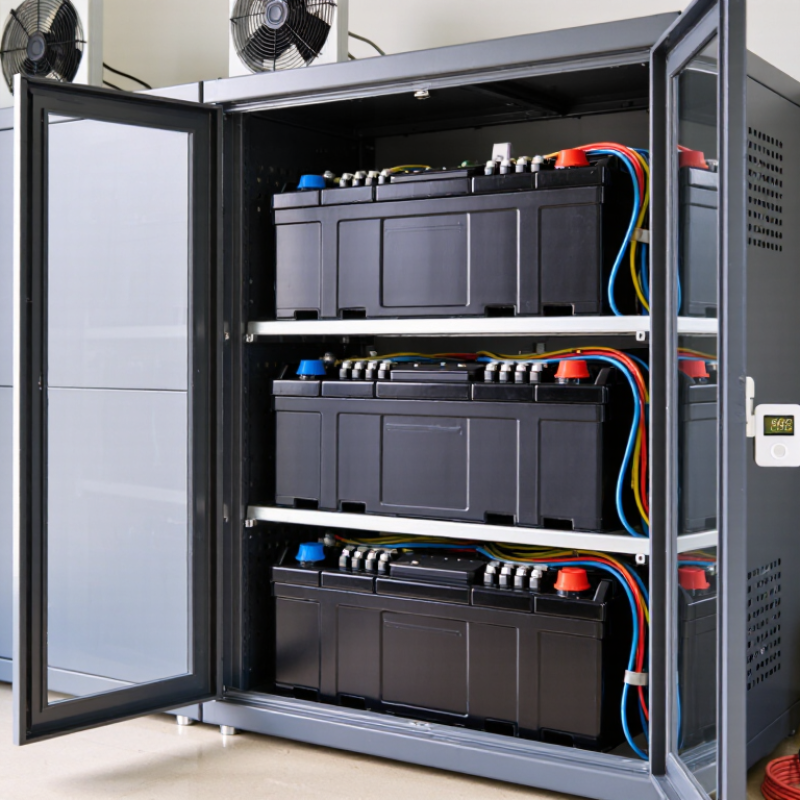
Top Deep Cycle AGM Battery Storage Solutions?

What Deep Cycle AGM Batteries Are and How They Store Energy

Top Deep Cycle AGM Battery Storage Solutions?

Deep cycle AGM batteries are lead-acid batteries designed to deliver steady power over long periods. AGM means absorbed glass mat. Thin fiberglass layers hold the electrolyte between the lead plates, reducing liquid movement and leakage risk. The case is sealed with pressure valves, but it is not completely maintenance-free or risk-free.

Energy enters through a controlled charging process. During discharge, chemical energy changes into electrical current for lights, pumps, or backup equipment. A 100 amp-hour battery can theoretically provide five amps for twenty hours. Real conditions reduce that figure. Cold temperatures, high loads, aging plates, and incomplete charging all affect usable capacity. Small details matter.

A reliable storage setup keeps the battery cool, dry, and upright. Around 15–25°C usually supports better service life than a hot enclosure. A suitable charger should match the battery’s absorption and float voltages. Overcharging can dry the internal mat, while chronic undercharging encourages sulfation. That is easy to overlook.

Technicians should inspect terminals for corrosion and measure resting voltage after several hours without a load. A battery can show a normal voltage yet perform poorly under demand. Load testing reveals that weakness more clearly. Keep connections tight, add appropriate overcurrent protection, and avoid placing heavy objects above the case. AGM batteries need less routine attention than flooded types, but assuming “sealed” means indestructible is a costly mistake. Temperature compensation is also worth considering, although many installations skip it.

Top Deep Cycle AGM Battery Storage Solutions

Deep cycle AGM batteries store energy through a sealed lead-acid electrochemical process. The chart compares typical usable energy from common 12-volt AGM battery capacities when limited to a 50% depth of discharge, a common practice for extending battery life.

Calculation: Usable energy = nominal voltage × rated capacity × allowable depth of discharge. Values shown are typical estimates and actual performance varies with temperature, discharge rate, battery age, and charging conditions.

Key Factors for Comparing AGM Battery Storage Solutions

Top Deep Cycle AGM Battery Storage Solutions?

Key Factors for Comparing AGM Battery Storage Solutions

Comparing AGM battery storage solutions starts with usable capacity, not the number printed on the case. A 100Ah battery may deliver less energy during repeated cycling. Check the recommended depth of discharge, expected cycle life, and charging efficiency. A solution that seems cheaper can require earlier replacement. That matters.

Temperature changes are easy to overlook. In a garage reaching 35°C, battery aging can accelerate. Look for clear operating ranges and temperature compensation in the charging system. Confirm the charger matches AGM voltage requirements. Incorrect charging may cause swelling, reduced capacity, or premature failure. Small details matter.

Physical design also deserves attention. Measure the battery compartment before ordering. Leave space around terminals, cables, and protective equipment. Sealed construction reduces maintenance, but it does not remove every safety concern. Secure the battery against vibration and inspect connections for heat marks or corrosion. Keep records.

Storage performance depends on self-discharge, standby time, and monitoring access. A voltage display helps, but voltage alone cannot reveal full battery health. Periodic capacity testing provides stronger evidence. However, testing methods vary, and my own comparisons have sometimes produced inconsistent readings. That is a reason to repeat measurements under similar loads. Look beyond marketing claims. Choose specifications that match the actual workload, climate, charging routine, and installation space.

Recommended Storage Systems for Different Power Requirements

Top Deep Cycle AGM Battery Storage Solutions?

Recommended Storage Systems for Different Power Requirements

For small loads, a 12-volt AGM battery can support lighting, communication equipment, or a compact backup system. A 100Ah unit stores about 1.2kWh before efficiency losses. In practice, usable energy is lower when long battery life matters. Keep the inverter close to the battery, and use properly sized cables to reduce voltage drop. Simple systems work best when their loads remain predictable.

Medium-demand systems may need two or four batteries connected in series or parallel. This arrangement can power refrigerators, security equipment, pumps, or modest off-grid workstations. Use matching batteries with similar age and capacity. An appropriate charger should follow the AGM charging profile, including absorption and float stages. Avoid placing batteries in a sealed, overheated cabinet. Ventilation still matters. AGM batteries are sealed, but they are not immune to heat or charging mistakes.

High-demand storage requires careful load calculations, not optimistic guesses. Add daily watt-hours, starting surges, inverter losses, and several hours of reserve. A 24-volt or 48-volt battery bank usually reduces current and cable heating. Install a fuse near the positive terminal, and monitor voltage under real loads. My early estimates often ignored motor startup power. That mistake can cause nuisance shutdowns. Regular inspections should check terminals, swelling, unusual warmth, and declining runtime. A professional assessment is sensible when the system supports medical equipment, critical communications, or expensive electrical devices.

Top Deep Cycle AGM Battery Storage Solutions? - Recommended Storage Systems for Different Power Requirements

Power Requirement Typical Application Recommended AGM Battery Bank Nominal Storage Practical Usable Storage* Suggested Inverter Rating Recommended Charging Current Best-Fit Characteristics
Up to 300 W Emergency lighting, communication equipment, small routers, and compact monitoring devices 1 × 12 V 100 Ah AGM battery 1.20 kWh Approximately 0.60 kWh 300–500 W continuous 10–20 A Simple, compact, and suitable for short backup periods
300–800 W Home networking, security systems, desktop electronics, and small refrigeration loads 2 × 12 V 100 Ah AGM batteries in series for 24 V 2.40 kWh Approximately 1.20 kWh 800–1,200 W continuous 10–20 A at 24 V Lower current at 24 V and better cable efficiency than a 12 V bank
800 W–1.5 kW Refrigerators, sump pumps, workstation equipment, and moderate emergency backup 4 × 12 V 100 Ah AGM batteries in a 24 V, 200 Ah configuration 4.80 kWh Approximately 2.40 kWh 1,500–2,000 W continuous 20–40 A at 24 V Balanced capacity for essential household loads and moderate surge demand
1.5–3 kW Multiple appliances, workshop tools, office equipment, and larger off-grid systems 8 × 12 V 100 Ah AGM batteries in a 48 V, 200 Ah configuration 9.60 kWh Approximately 4.80 kWh 3,000–4,000 W continuous 20–40 A at 48 V 48 V architecture reduces current, voltage drop, and conductor size
3–5 kW Whole-home essential circuits, small commercial backup, and extended off-grid operation 12 × 12 V 100 Ah AGM batteries in a 48 V, 300 Ah configuration 14.40 kWh Approximately 7.20 kWh 5,000–6,000 W continuous 30–60 A at 48 V High-capacity backup bank requiring ventilation, fusing, and careful balancing
Above 5 kW Large residential systems, telecom support, industrial control, and critical-load backup Modular 48 V AGM bank sized from 400 Ah upward 19.20 kWh or more Approximately 9.60 kWh or more 6,000 W or higher, based on peak load 40–80 A at 48 V Use parallel strings only when approved by the battery manufacturer and system designer
*Planning note: Storage figures are calculated at nominal voltage × rated amp-hours. Practical usable storage is estimated at 50% depth of discharge, a commonly used planning limit for extended AGM battery life. Actual capacity varies with discharge rate, temperature, battery age, charging quality, and the manufacturer’s specifications. AGM batteries should be installed with appropriate overcurrent protection, correct charging voltages, secure connections, and adequate ventilation.

Safe Installation, Charging, and Maintenance Procedures

Top Deep Cycle AGM Battery Storage Solutions?

Safe AGM storage begins with a dry, stable, ventilated location. Keep batteries upright and away from heaters, sparks, and direct sunlight. Even sealed AGM units can release gas during overcharging or internal failure. Install insulated terminal covers and place overcurrent protection close to the positive terminal. Follow the battery maker’s torque values; loose connections generate heat.

Charging needs discipline. Use a charger with an AGM profile, temperature compensation, and automatic float control. Never rely on voltage alone. IEEE 1188 recommends scheduled inspections and documented measurements for stationary lead-acid systems. Record voltage, temperature, charger status, and visible swelling during each inspection. Small records reveal gradual failure.

Do not mix old and new batteries in one bank. A weak unit can force the charger to work harder. The U.S. EPA’s Sustainable Materials Management data reports a 99% recycling rate for lead-acid batteries, but recycling does not excuse careless storage. Ventilation still matters. Clean terminals with approved methods, never flood them with water, and isolate damaged batteries promptly. I still see one overlooked problem: storage cabinets become crowded with tools. Leave clear access around every battery, because emergency inspection is difficult when cables and boxes block the path.

How to Choose the Best AGM Battery Storage Solution for Your Needs

Choosing the best AGM battery storage solution starts with your actual power needs. Estimate daily watt-hours, backup duration, and charging frequency. Then select a battery bank with enough capacity and reserve margin. A battery that barely meets demand may age faster.

Storage conditions matter just as much. Keep AGM batteries in a cool, dry, stable location away from direct sunlight. Avoid freezing temperatures and excessive heat. Use a charger designed for AGM chemistry, with correct voltage settings. Overcharging can shorten service life, even when the battery appears maintenance-free. Secure each battery firmly, keep terminals clean, and allow suitable airflow. AGM batteries are sealed, but safe ventilation remains sensible.

Tips: Check the battery voltage every few months and inspect for swelling, leaks, or damaged cables. Store batteries fully charged, but follow the manufacturer’s specified storage limits. My early assumption was that “maintenance-free” meant “ignore it.” That was wrong. A simple inspection often reveals loose connections or gradual voltage loss before failure. For off-grid systems, compare usable capacity rather than printed capacity alone. Cold weather reduces available performance. A professional assessment is worthwhile when several batteries operate together. Keep records. Small details matter.

FAQS

What is a deep cycle AGM battery?

It is a lead-acid battery designed to provide steady power for extended periods. AGM means absorbed glass mat. Fiberglass layers hold the electrolyte between lead plates, reducing movement and leakage risk.

How much energy can a 100Ah battery provide?

A 12-volt, 100Ah battery stores about 1.2 kilowatt-hours before efficiency losses. Theoretical output may be five amps for twenty hours. Real capacity is usually lower.

What affects usable battery capacity?

Cold temperatures, high loads, aging plates, and incomplete charging reduce usable energy. Starting surges matter too. My early load estimates ignored motor startup power, which caused shutdowns.

Where should AGM batteries be installed?

Keep them upright in a dry, cool, and ventilated location. Around 15–25°C generally supports better service life. Avoid heaters, sparks, direct sunlight, and crowded cabinets.

Does sealed construction make an AGM battery maintenance-free?

No. Sealed does not mean indestructible. Overcharging can dry the internal mat, while undercharging encourages sulfation. Internal failure may also release gas.

What charging equipment does an AGM battery need?

Use a charger with an AGM profile, absorption and float stages, and automatic control. Temperature compensation is useful. Never depend on voltage alone.

How can I inspect an AGM battery safely?

Check terminals for corrosion, loose connections, swelling, unusual warmth, and declining runtime. Measure resting voltage after several hours without a load. Load testing reveals weakness more clearly.

Can batteries of different ages share one storage bank?

It is better not to mix old and new batteries. Their capacities may differ, causing uneven charging and faster failure. Use matching batteries with similar age and condition.

How should larger storage systems be designed?

Calculate daily watt-hours, inverter losses, starting surges, and reserve time. A 24-volt or 48-volt bank can reduce current and cable heating. Add overcurrent protection near the positive terminal.

Conclusion

Deep-cycle AGM battery storage provides a reliable way to store energy for backup power, renewable energy systems, recreational equipment, and off-grid applications. These sealed lead-acid batteries use absorbent glass mat technology to hold the electrolyte in place, allowing efficient energy storage with minimal leakage and reduced maintenance. When comparing storage solutions, consider usable capacity, depth of discharge, cycle life, charging efficiency, operating temperature, physical size, ventilation needs, and compatibility with inverters or solar charging equipment.

The most suitable system depends on your power demand, usage frequency, available space, and budget. Smaller setups may support essential devices, while larger configurations can handle extended backup or household energy needs. Safe installation requires correct wiring, secure placement, suitable overcurrent protection, and adequate ventilation according to applicable guidance. Proper charging, regular inspection, clean terminals, and avoiding excessive discharge can help extend battery life. By matching capacity and operating conditions to your specific requirements, you can select a dependable and practical AGM energy storage solution.

Ethan

Ethan

Ethan is a professional marketing specialist dedicated to helping businesses better understand and use the company’s products and services. With a strong background in market research, customer communication, and content strategy, he brings together practical industry knowledge and clear, engaging......